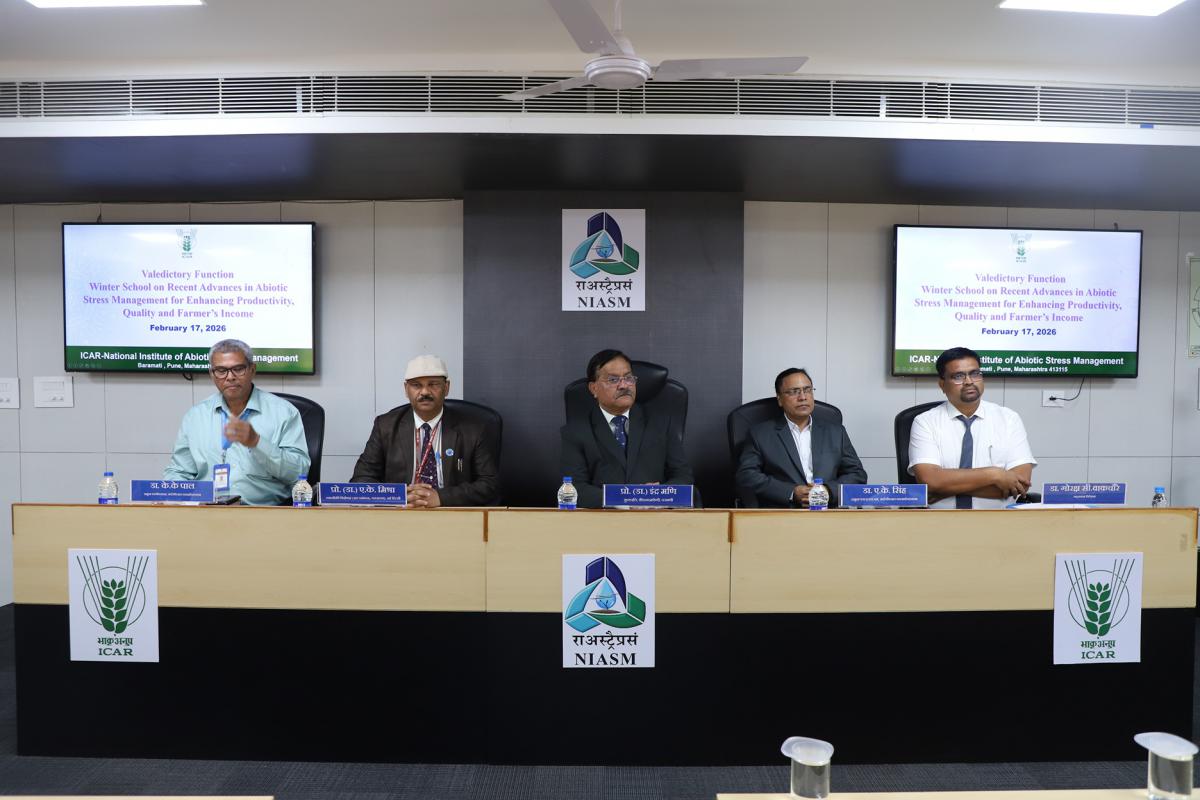
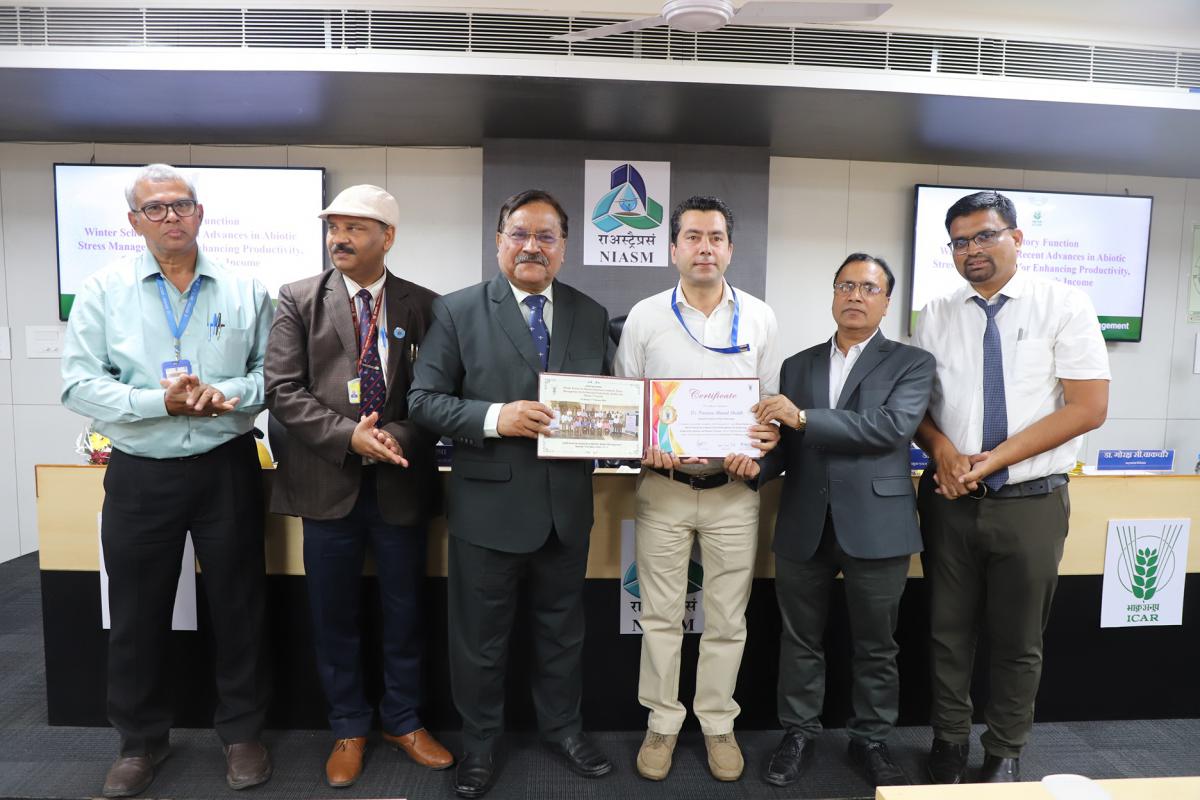
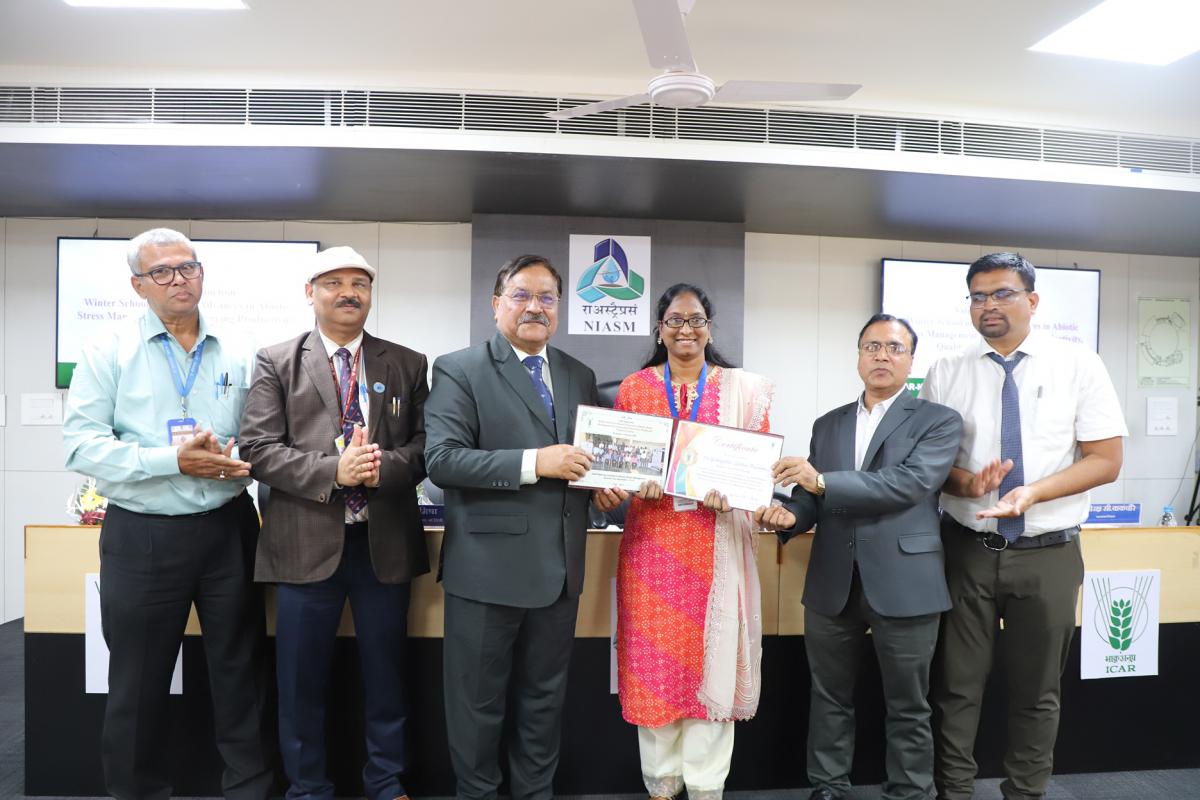
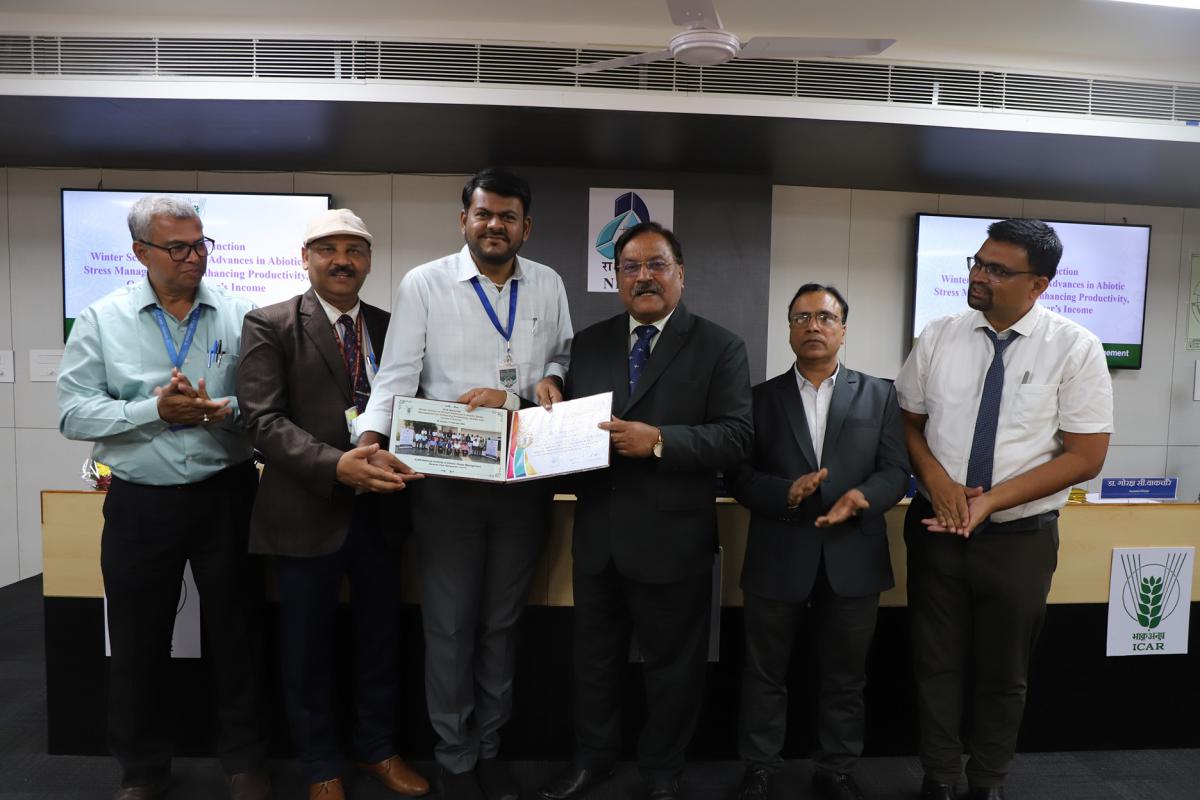
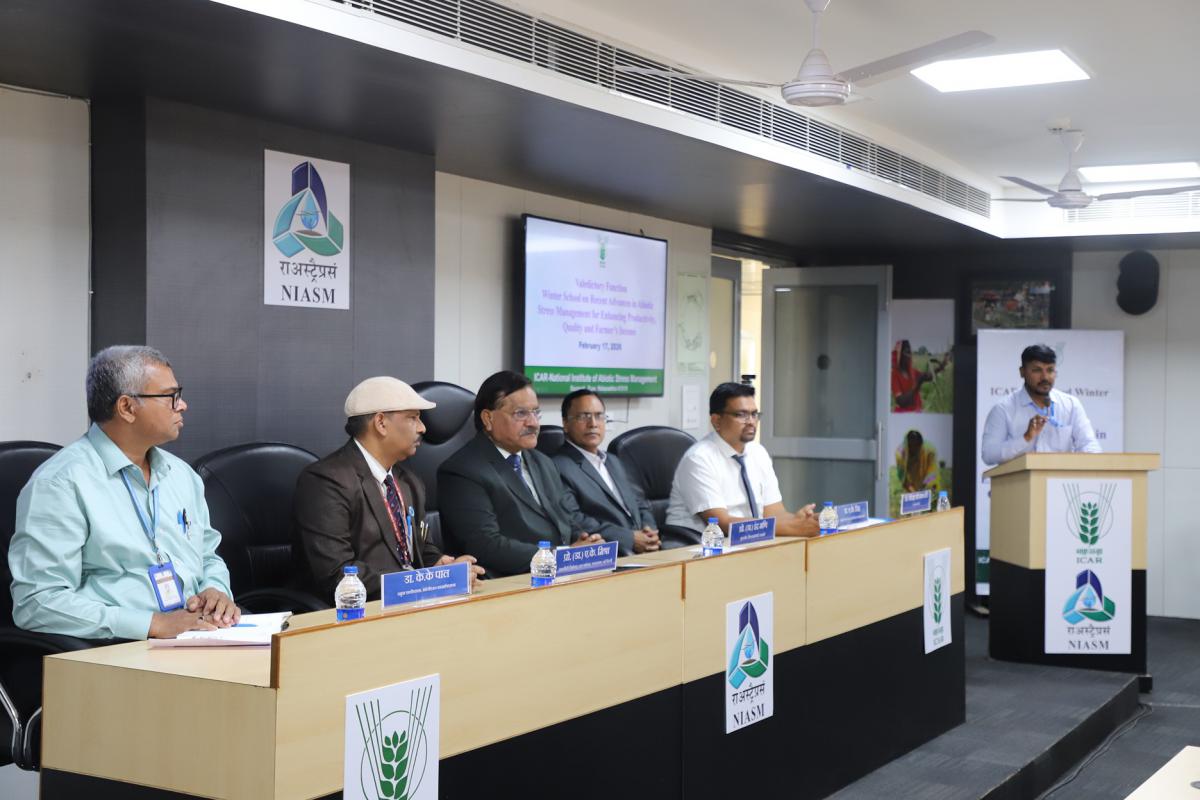
The 21-day ICAR-sponsored Winter School on "Recent Advances in Abiotic Stress Management for Enhancing Productivity, Quality and Farmer's Income" concluded on 17th February 2026 at ICAR-National Institute of Abiotic Stress Management, Baramati. The programme was conducted from 28 January to 17 February 2026 under the sponsorship of the Indian Council of Agricultural Research.
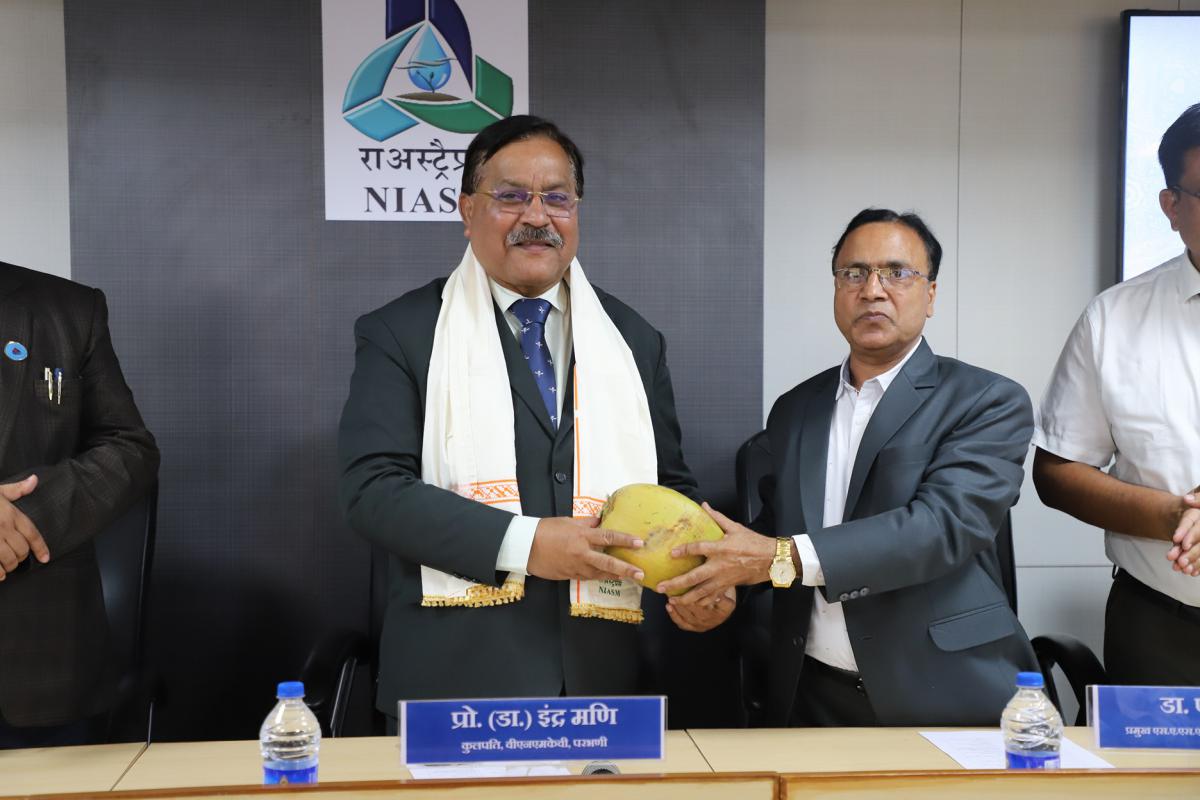
The Chief Guest, Dr. Indra Mani, Hon'ble Vice Chancellor, Vasantrao Naik Marathwada Krishi Vidyapeeth, Parbhani, emphasized the critical importance of abiotic stress management in enhancing agricultural productivity and ensuring food security. He highlighted the growing challenges posed by climate change, including drought, heat stress, waterlogging, and salinity, which significantly impact crop yields and farmers' livelihoods. Dr. Mishra commended ICAR-NIASM for its pioneering efforts in developing climate-resilient agricultural practices and called for strengthening research-extension linkages to ensure that scientific innovations reach farmers effectively.
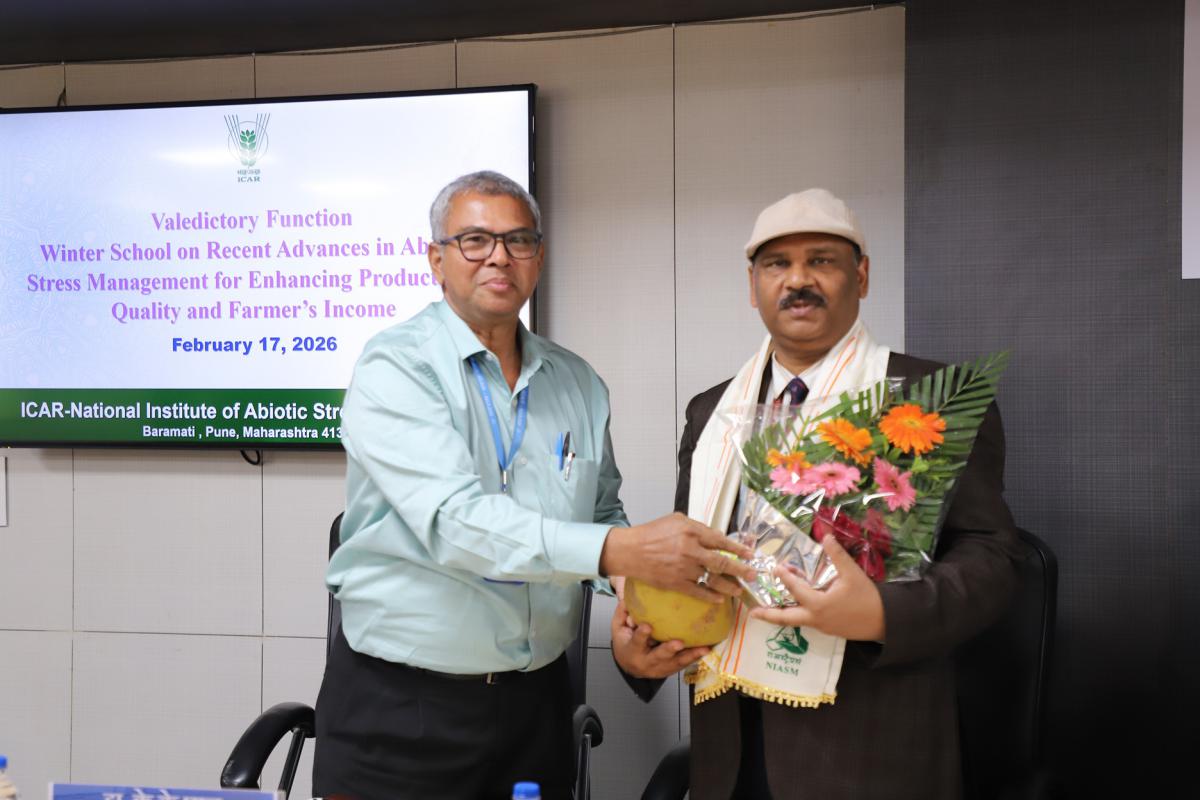
Guest of Honour Prof. (Er.) Anil Kumar Mishra, Technical Expert (Water Management), National Rainfed Area Authority, Department of Agriculture and Farmers Welfare, Government of India, stressed the significance of abiotic stress management in rainfed agriculture, which constitutes a major portion of India's agricultural landscape. He highlighted that rainfed areas are particularly vulnerable to climate variability and abiotic stresses, making capacity building and knowledge dissemination crucial for sustainable agricultural development. Prof. Mishra appreciated the comprehensive curriculum of the Winter School and emphasized the need for translating research outcomes into practical field applications that can enhance farmers' income and resilience.
Dr. A.K. Singh, Director (I/C), ICAR-NIASM, Baramati, emphasized the institute's commitment to addressing abiotic stress challenges through cutting-edge research and capacity-building initiatives. He stated that structured training programmes like the Winter School play a vital role in strengthening the scientific workforce and building institutional capacity for tackling emerging challenges in abiotic stress management.
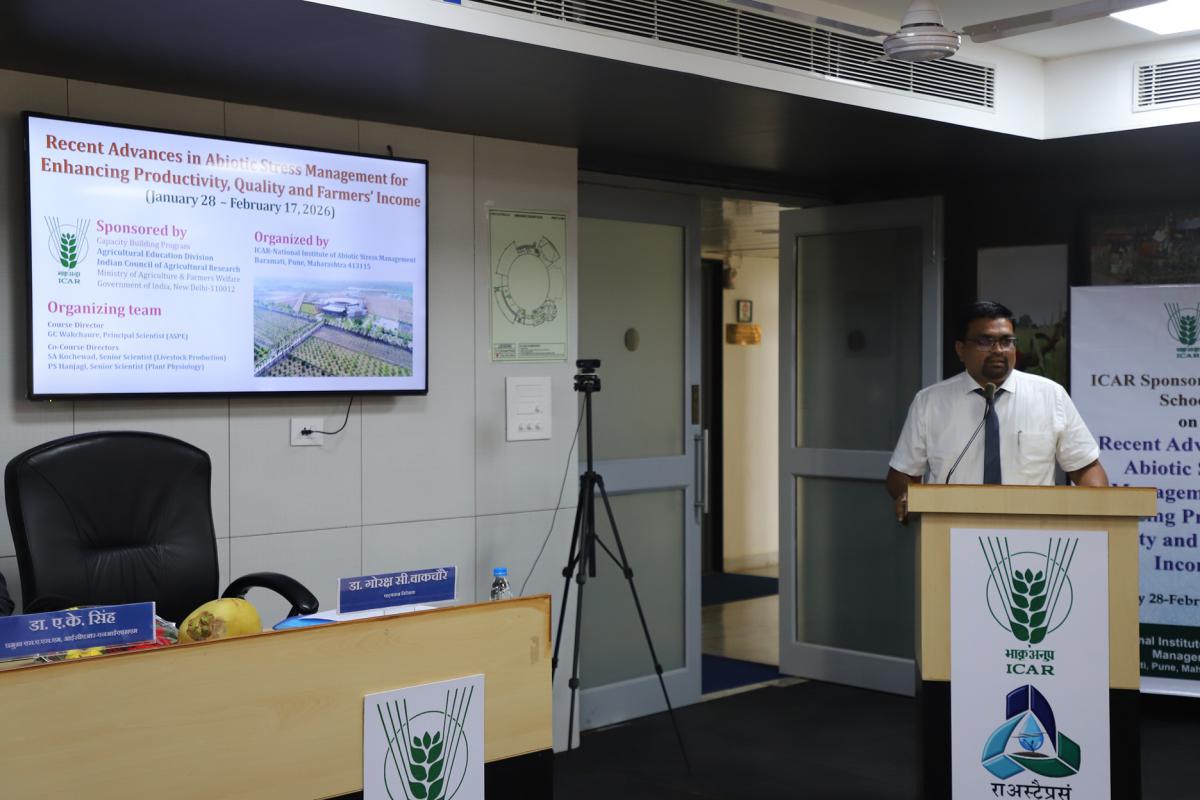
Dr. Goraksha Wakchaure, Course Director, presented a comprehensive report of the Winter School. Over the 21-day period, the programme featured extensive theoretical lectures, hands-on practical sessions, field visits, and laboratory demonstrations, providing participants with a holistic understanding of abiotic stress management.
Dr. K.K. Pal, Head, Social Development and Social Mobilization Division, appreciated the active participation of trainees and emphasized the importance of translating the knowledge gained into actionable research and extension activities.
Participants shared their positive experiences during the feedback session. They expressed gratitude for the well-structured curriculum, expert faculty, state-of-the-art facilities, and hands-on exposure to advanced phenotyping and stress assessment tools. The participants highlighted the programme's relevance to their current research work and its potential to enhance their professional capabilities in addressing abiotic stress challenges.
A total of 25 participants (Professors, Scientists, and Subject Matter Specialists) from 13 states representing 15 disciplines had participated in the programme. Certificates were distributed to all these participants by the Chief Guest, Dr. Indra Mani, and Guest of Honour, Prof. (Er.) Anil Kumar Mishra, recognizing their successful completion of the intensive training programme.
The event was attended by scientists, technical staff, administrative officials, and resource persons of ICAR-NIASM, marking the successful completion of a nationally significant capacity-building initiative of ICAR.